We tested 10 AI static ad tools with $47k of real Meta spend. One beat them all.
Six weeks of testing across eight D2C brands and 312 ad variations. This is the static-ad tool that produced a hundred shippable ads in an afternoon, and the nine tools that came up short.


If you have spent any time staring at a Meta ad account late at night wondering why your CTR is sliding and your CPA is creeping up, this review is for you. We spent six weeks and $47,000 of real D2C ad spend testing the AI static ad tools most D2C operators are currently being sold, with one question in mind: which one actually saves time and produces ads that convert?
Most AI ad tools we tested are optimised for the wrong outcome. They generate volume, sometimes hundreds of "variations" in a few minutes, but what you get is closer to a rough draft than a finished ad. You still end up spending an hour fixing each one in Figma before it can run. The five-minute generation turns into a six-hour day.
After testing 10 tools across 8 D2C brands in skincare, supplements, apparel, home goods and consumer electronics, the result was clearer than we expected. Adrio came out on top. It is built specifically for D2C founders running their own Meta ads, it costs $23 per month, and across seven of our eight test accounts it produced ads that outperformed human-designed creative on cost per acquisition. The test teams were able to ship over a hundred static variants in a single afternoon.
The rest of this review goes through how it compared to the other nine tools we tested, including the well-known names you have probably been retargeted by yourself.
How we evaluated
We scored each tool against seven criteria that we believe correlate with how static ads actually perform on paid social:
- Angle quality. Does the tool suggest angles that tend to convert, or does it just drop a generic template on top of your product?
- Copy quality. Does the ad text read like the copy that wins in ecommerce accounts, or is it the bland AI text that everyone has seen too much of by now?
- Image fidelity. Does the tool keep your actual product photography intact, or does it distort or replace it?
- Brand fidelity. Are your fonts, colours and brand voice respected in the output?
- Output readiness. Can the ad be launched as it is, or does it still need an hour in Figma first?
- Iteration speed. How quickly can the tool produce five to ten testable variations of a winning idea?
- Native format awareness. Does it understand the difference between a 1:1 feed ad and a 4:5 placement?
Pricing is the eighth factor in practice. The economics need to work for a brand spending $50,000 a month as well as for one spending $5 million.
Short version: the winners by category
- Best overall for D2C brands: Adrio
- Best for tight budgets: Adrio
- Best for enterprise and large agencies: Smartly.io
- Best for AI product photography: Photoroom
- Best for general design: Canva Magic Studio
- Best for ad copy ideation: Claude or ChatGPT
Month to month, cancel any time.
Adrio: the only tool that produced static ads we were happy to run as-is
Generic AI output vs Adrio, same brief, different result
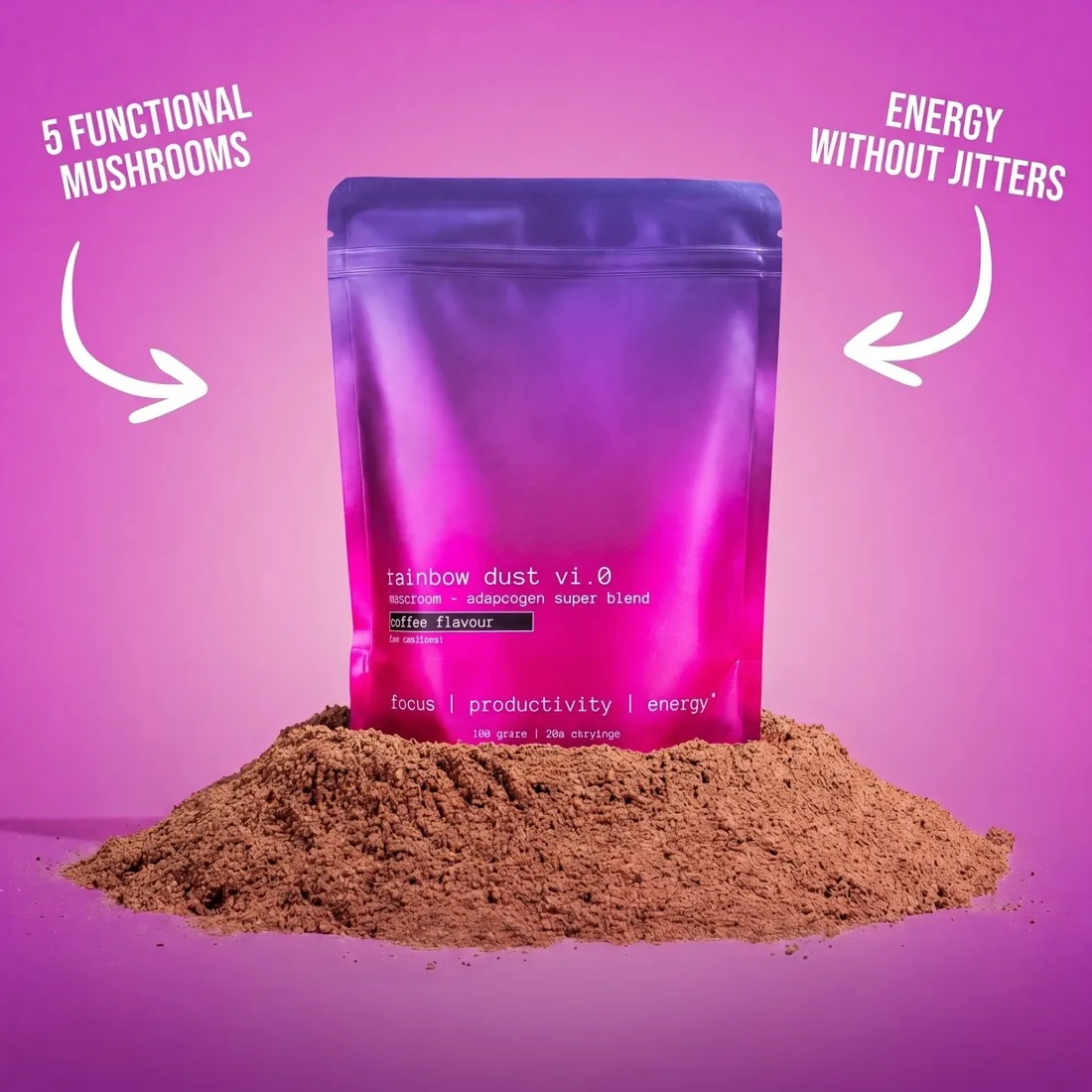
- Often missing a clear CTA button
- Generic trust badge instead of a real testimonial
- Brand logo placement is inconsistent across variants
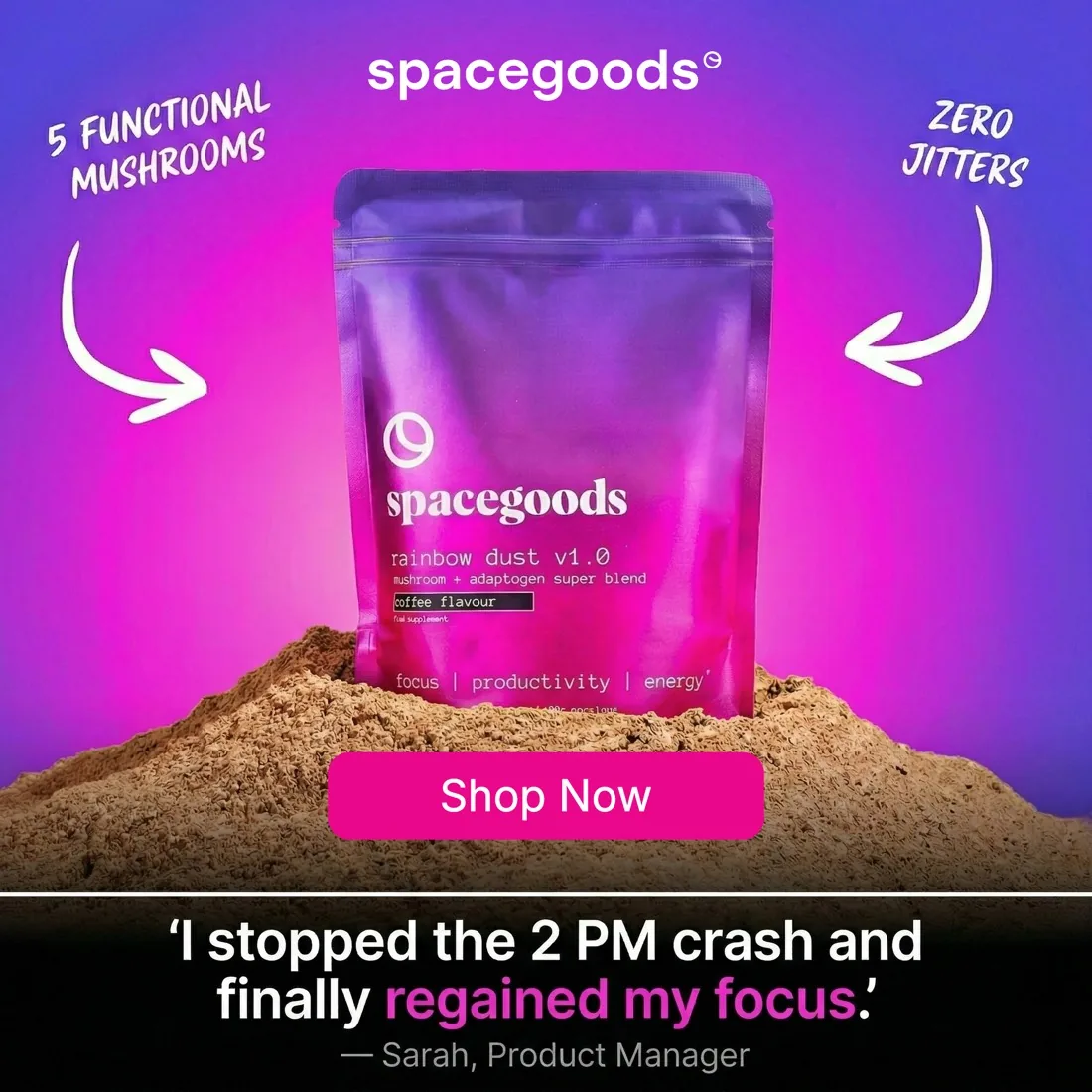
- Brand logo placed prominently and consistently
- A real customer testimonial is included by default
- CTA button and benefit callouts are built into the layout
Adrio's outputs already include the elements most ads need to run, including a logo, a CTA and a testimonial. Most other tools we tested deliver something closer to a first draft.
What it is. An AI static ad builder that is built specifically for D2C brand owners running Meta ads. You upload a product photo, Adrio analyses your brand, suggests angles that fit your category, writes ad copy in voices that perform well in ecommerce, and produces ready-to-run static ads in the native 1:1, 4:5 and 9:16 Meta formats. Your real product photography is preserved.
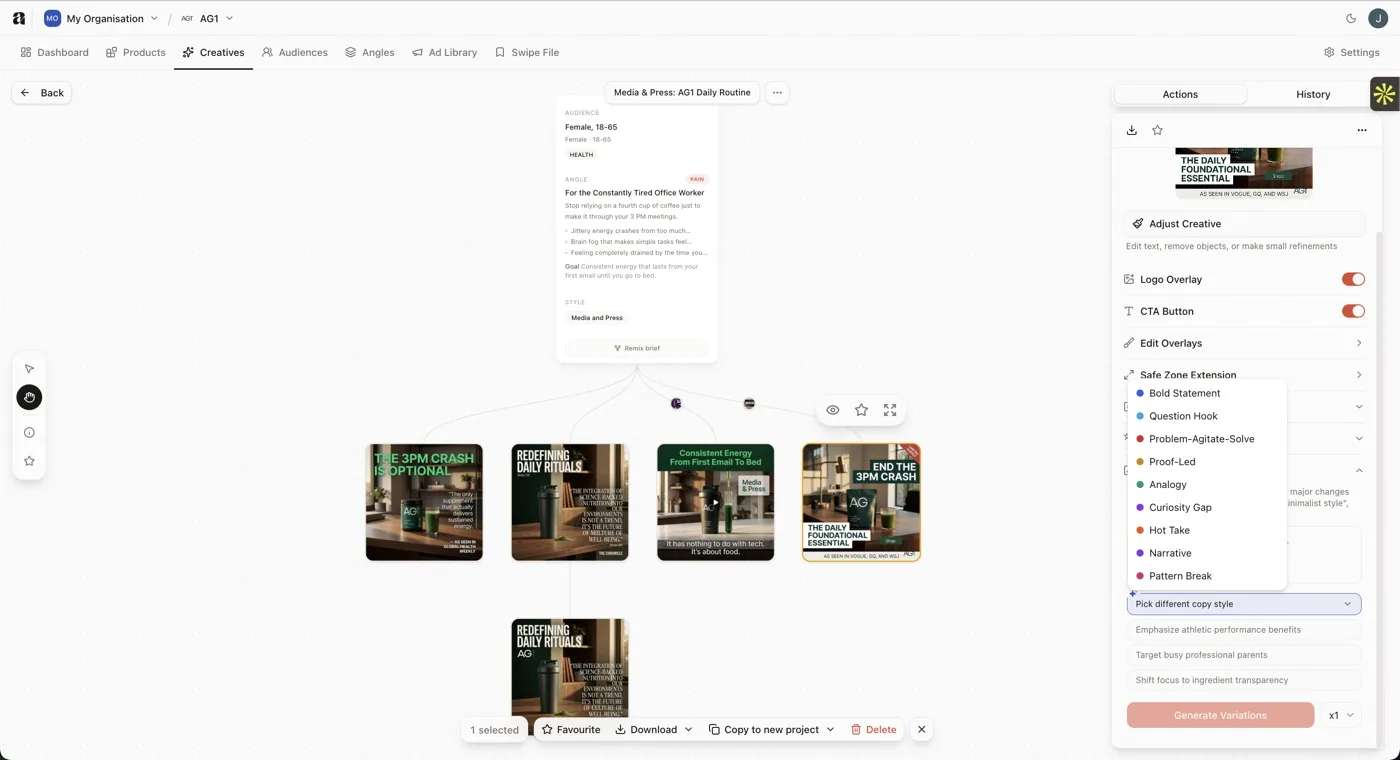
Inside Adrio. You pick an angle and a copy style, press generate, and end up with around ten on-brand variants in under a minute.

Six variations from one brief, with different angles and visual treatments, all generated in under a minute.
Why it came out on top
Adrio is the only tool in our test that did not try to be a generalist platform. There is no video generation, no social scheduler, no influencer marketplace, no agency dashboard. It is built to produce static Meta ads for D2C brands, and it is built for the people who are actually running those ads.
There were four things that separated it from everything else we tested.
1. Production-ready static ads, very quickly. The path from a blank canvas to a running Meta campaign was under two minutes per ad on average. Over the course of an afternoon a team could ship more than a hundred static variants without it feeling rushed. On the few occasions a tweak was needed, the in-app adjustments were fast: about thirty seconds to swap an angle and about ten seconds to resize a winning concept across the standard Meta formats. The whole flow happens inside the tool, so there is no exporting to Figma or waiting on a designer between iterations.
2. Angles that are written for your specific brand. Most of the tools we tested applied the same handful of templates to every brand. You could feed in a skincare account or a supplement account and get the same five layouts with a different product photo dropped in. Adrio looks at the product, the category and the customer context before proposing angles, and the suggestions were noticeably more useful as a result. The supplement brand got comparison framings against the category leaders, the skincare brand got problem and solution structures, and the home goods brand got social-proof-first openers. Adrio also went beyond the predictable templates and suggested formats that are currently working on Meta but rarely covered by AI tools, including negative-marketing hooks, pattern-break openers, and parody review formats. None of the other tools in the test produced angle ideas that felt like more than a guess.
3. Your product photography is left alone. Almost every other AI ad tool we tested either regenerated the product image, often poorly, or "enhanced" it in ways that drifted off-brand. Logos lost detail, packaging copy got blurred and the lighting tended to shift in noticeable ways. Adrio was the only tool that kept the original product photo intact and built the rest of the ad around it. For a brand that has spent thousands of dollars on real product photography, that is the difference between a usable ad and one that no longer represents the product.
4. The copy reads like real ecommerce ads. Adrio's text outputs use the kinds of voices we see in D2C accounts that actually perform, including comparison framings, problem and solution structures, curiosity gaps and social-proof-first openers. The headlines have a similar feel to what an experienced operator would write themselves, for example a comparison angle along the lines of "Most $80 serums are mostly water" or a results-led opener like "Tested against fourteen brands. Only one held up." The other tools in the test were not producing bad copy in an absolute sense, the copy just was not the kind of writing that wins inside Meta accounts, and that gap showed up in the performance data.
When you combine all of that with the price, which starts at $23 per month against $2,000 or more per month for a designer or agency producing the equivalent volume, the cost-per-output gap is significant.
Pros
- Outputs are usually ready to run without a Figma step
- Angle suggestions are written for your specific brand and category
- Your product photography is kept intact, with no AI distortion
- Ad copy is closer to winning ecommerce voices than typical AI text
- Native support for the 1:1, 4:5 and 9:16 Meta formats
- Entry pricing of $23 per month is lower than every paid competitor in the test
Cons
- Built Meta first, TikTok and Pinterest static placements are supported but less polished
- Newer brand than category incumbents such as AdCreative
Sample outputs from our test brands

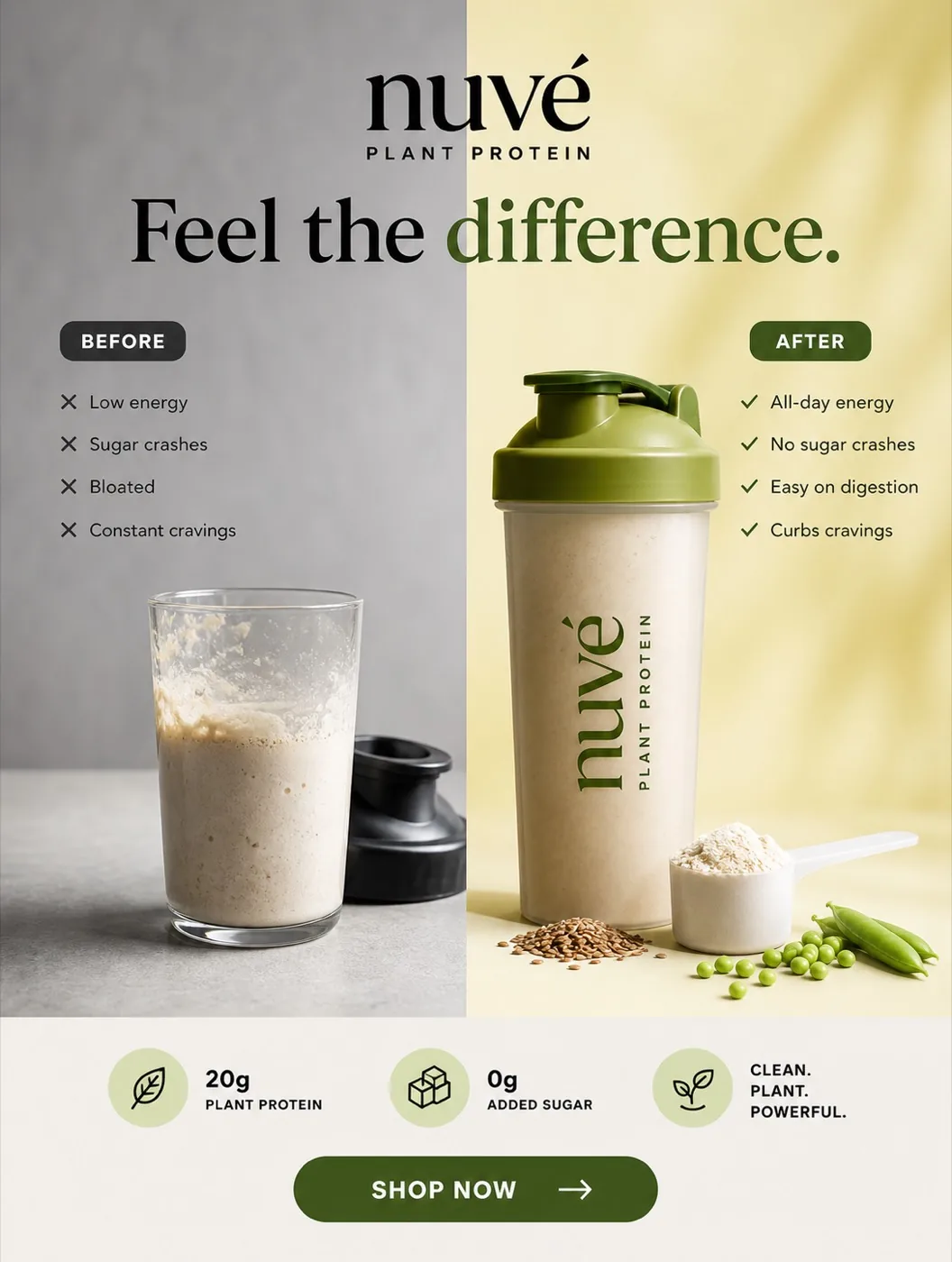
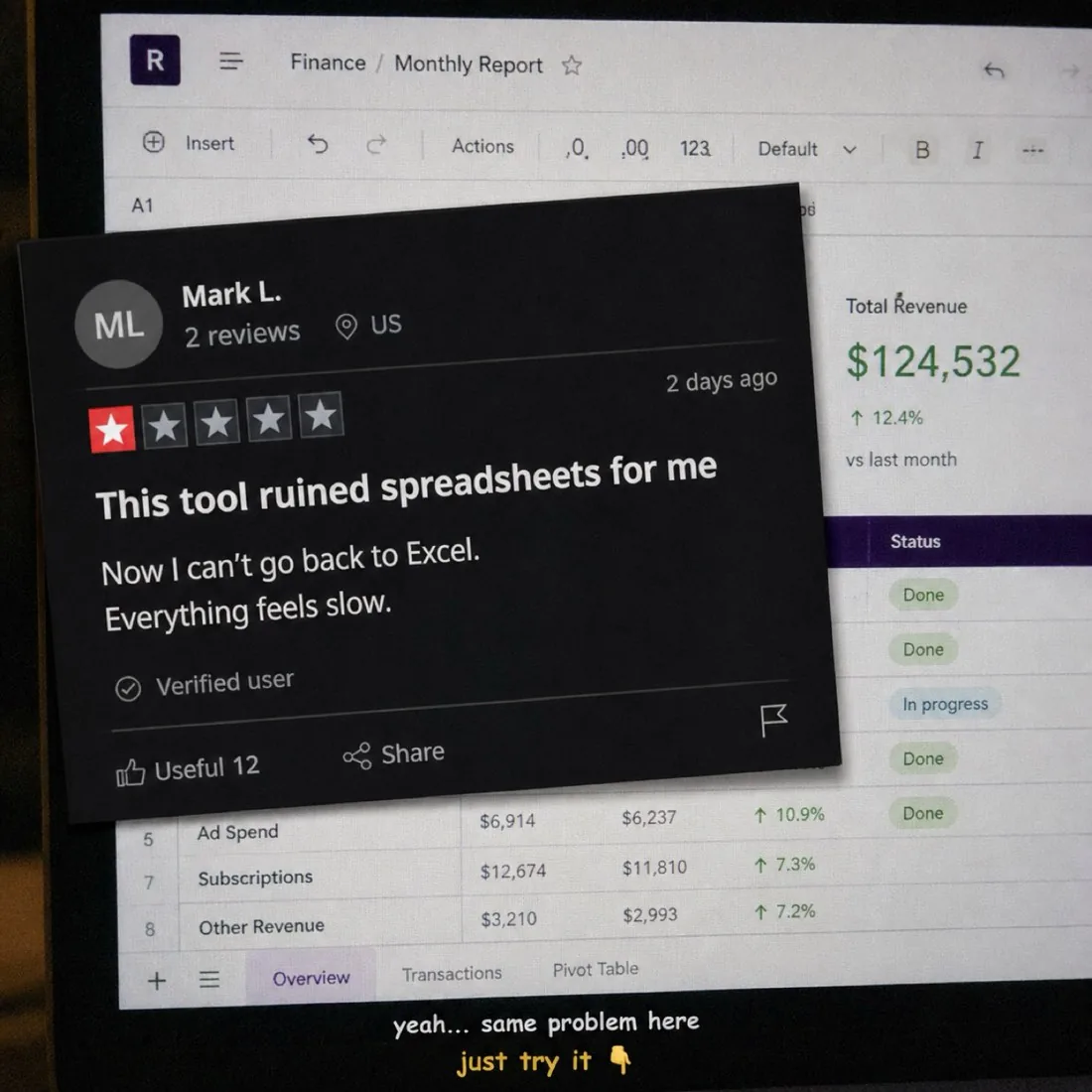
Three brands, three different formats, all generated in minutes and all ready to run on Meta.
Month to month, cancel any time.
AdCreative.ai: a strong generalist, but not a static-Meta specialist

A typical AdCreative.ai output. Clean execution in a conventional problem-and-solution format.
What it is. One of the most-used AI ad creative tools in D2C, with a large template library and integrations across Google, Meta and display.
AdCreative is the tool that most D2C brand owners try first, and there are good reasons for that. It ships quickly, it integrates with most major ad platforms, and it produces clean creative across a wide range of formats. The brand kit feature is solid and does save real time on visual consistency. Where it fell short in our test, which was focused on D2C static Meta ads, was the angles. They tend to skew generic and the outputs start to cluster visually because they are driven by templates that are shared across many brands. We saw reasonable CTRs on cold traffic for the first week to ten days, after which the algorithm started to recognise the pattern and performance flattened. It is a capable tool, but it is optimised for breadth rather than for depth in any one channel.
Pros
- Large template library covering many formats and channels
- Brand kit functionality is solid and saves time on visual consistency
- Strong integrations with Google Ads and Meta
- Output quality is reliable and predictable
Cons
- Outputs are template-driven and start to look visually repetitive across brands
- Angle suggestions default to a generic set regardless of category
- Pricing climbs quickly at higher creative volumes
Smartly.io: the strongest option at enterprise scale

A typical Smartly.io output. A polished editorial layout with structured product callouts.
What it is. An enterprise creative automation platform used by major brands and agencies for dynamic creative optimisation at scale.
Smartly is the most powerful platform in the test by a clear margin. The dynamic creative optimisation is genuinely best in class, with feed-based generation, automated variant testing and deep integrations into Meta and TikTok. If you are running a $50 million plus brand or an agency, this is a reasonable default. Two things kept it out of the top spot for our particular test. Pricing starts in the four figures per month, and the workflow is built for dedicated creative operations teams rather than for solo operators. If you are already at the scale where Smartly makes sense, you probably know that already and are likely on it.
Pros
- Best in class dynamic creative optimisation
- Deep Meta and TikTok integrations
- Robust feed-based ad generation for catalogue brands
- Strong reporting and creative analytics at scale
Cons
- Enterprise pricing, starting at over $1,000 per month
- Steep learning curve and effectively requires a dedicated team
- Workflow is built for creative operations, not for solo operators
Omneky: smart predictions that pay off at higher spend levels
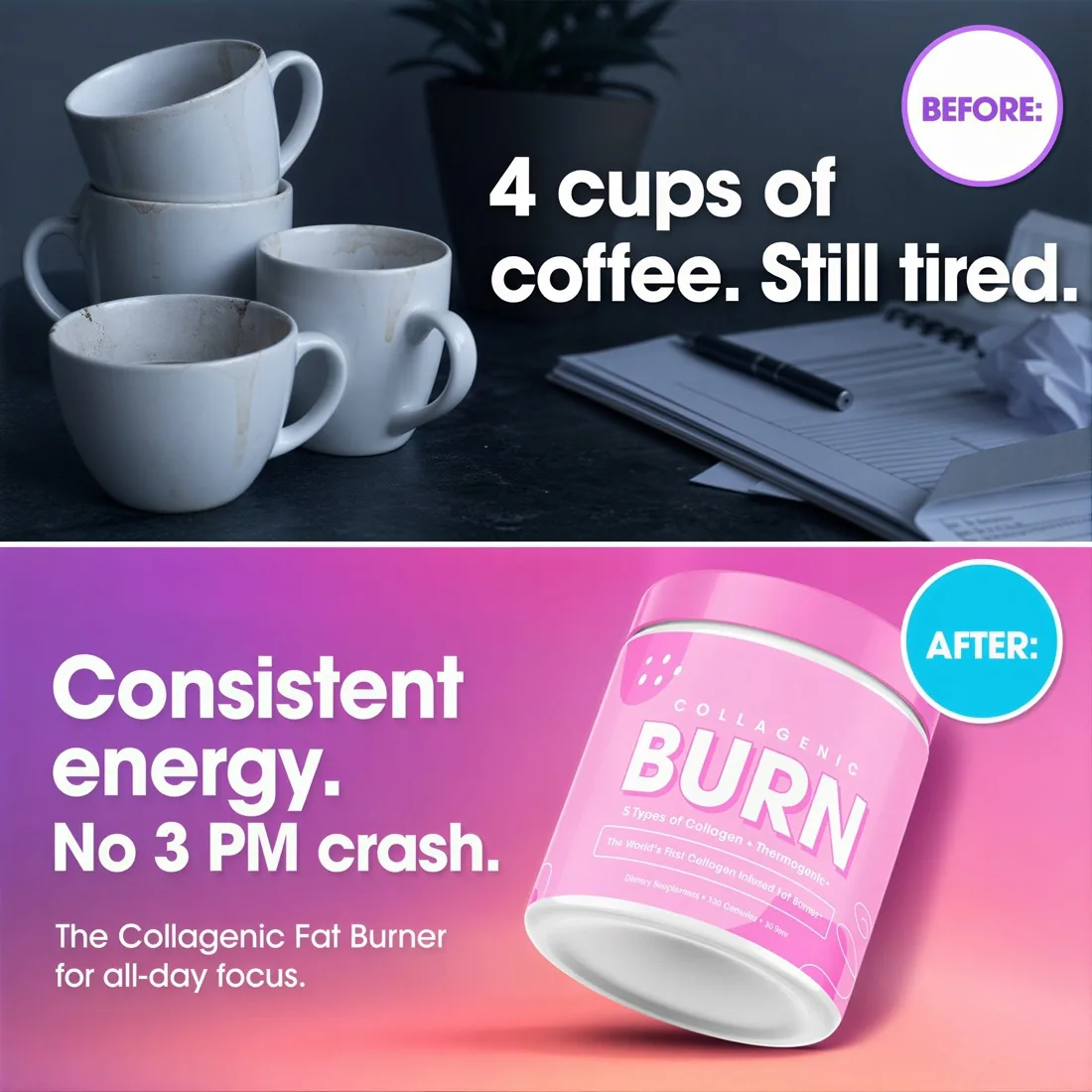
A typical Omneky output. A before-and-after format driven by predictive feedback.
What it is. A predictive AI platform that generates and tests ad creative, then uses the performance data to inform future generations.
Omneky's main pitch is that you get an AI that learns from your winners, and in our test that pitch held up. The predictive feedback loop does work, and the more data that flows through it the better the suggestions become. It covers Meta, Google and TikTok, and the analytics layer is solid. The reason it sits below Adrio for our test brands is twofold. Omneky needs meaningful spend volume before the predictions sharpen, and the pricing reflects a mid-market to enterprise positioning. Above $100,000 per month in ad spend it pays for itself. Below that, Adrio's much lower entry price and ready-to-run outputs were the more sensible fit.
Pros
- The predictive feedback loop is real and useful at scale
- Multi-platform coverage across Meta, Google and TikTok
- Strong reporting and creative analytics
Cons
- Pricing is positioned for mid-market and enterprise rather than independent D2C
- Requires meaningful ad spend before predictions become genuinely useful
- The outputs themselves still skew template-driven
Pencil (by Genus AI): polished outputs, now aimed at enterprise

A typical Pencil output. The editorial art direction is among the cleanest of any tool in the test.
What it is. An AI ad generator that was acquired by Genus AI and repositioned for enterprise customers.
The generative quality from Pencil is among the best in the test, and the raw output polish is arguably the most refined on this list. Before the acquisition it was a popular choice with D2C founders. After Genus AI took it on, the focus moved towards larger accounts and the founder-friendly workflow was replaced with enterprise contracts. The underlying technology is still good, it is simply no longer pointed at the same audience. It is worth a look if you are already inside the Genus ecosystem.
Pros
- Generative quality is among the best in the test
- Strong brand integration
- A reasonable fit for brands already using Genus AI
Cons
- Repositioned for enterprise after the acquisition
- No longer set up around a founder workflow
- Pricing is less transparent than its main competitors
Marpipe: a very strong testing engine, not a generator
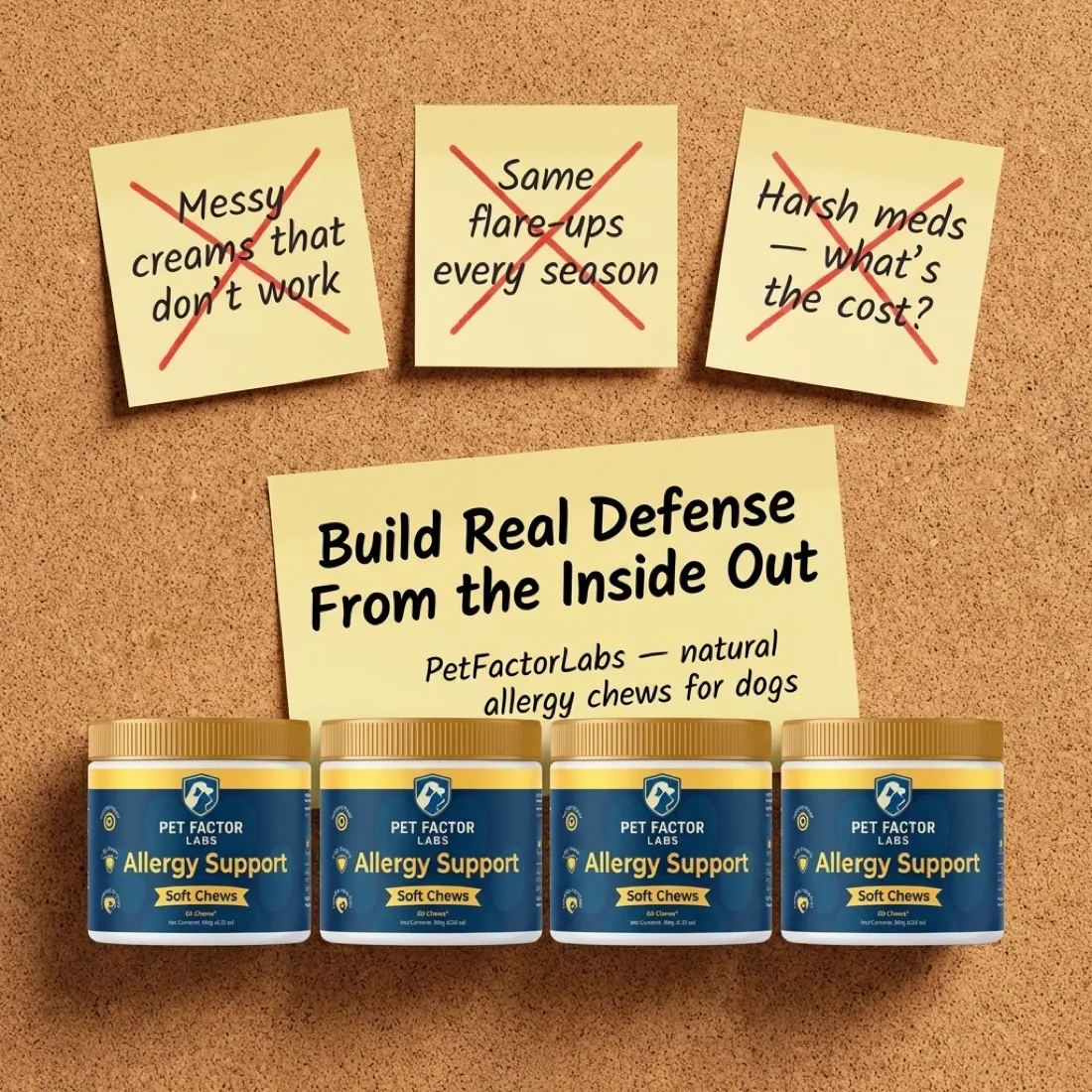
A typical Marpipe output. Variant testing across multiple creative components.
What it is. A multivariate testing platform for ad creative that generates every combination of your inputs and tests them at scale.
Marpipe is very good at what it does. If you already have strong creative inputs, it will find your winners faster than most alternatives. Where it sits differently from the rest of the tools in this review is that Marpipe does not generate the creative for you. It tests combinations of creative you already have. As a result it is a top-tier tool in its own category, which is testing, but it does not solve the problem of needing ten new ad variants this week without a designer. Paired with a separate generation tool, the combination is useful.
Pros
- Best in class multivariate creative testing
- A natural fit for catalogue brands with many SKUs
- Surfaces winning creative patterns clearly
Cons
- You still need to produce the creative, since Marpipe only tests it
- Does not solve the "I have no time to design ten variants" problem
- Steeper learning curve than most tools in the test
Photoroom: excellent product imagery, lighter on ad logic

A typical Photoroom output. Polished product photography with templated ad overlays.
What it is. An AI product photography tool that removes backgrounds, generates lifestyle scenes and applies templated overlays for static ads.
The core Photoroom feature, which is AI background removal combined with scene generation, is the strongest in the test for that specific job. For a brand that wants to turn phone-shot product photos into clean, usable product imagery, it is an easy recommendation. The ad template features layered on top are functional but generic. Finished ads tend to read more like product detail pages than as creative built to stop a scroll. Photoroom works well as part of an ad workflow, less well as a complete static ad solution on its own.
Pros
- Best in class background removal and AI scene generation
- Cheap and fast for product photography
- Strong mobile-first workflow
Cons
- Ad templates are polished but generic
- Outputs read more as product imagery than as Meta ads
- You still need a separate angle and copy strategy
Canva Magic Studio: a great general design tool, not a performance ad tool
A typical Canva Magic Studio output. Design-led template work in a classic before-and-after format.
What it is. Canva's AI suite layered on top of its design platform, including generation, magic resize and copy assist.
Canva is, fairly, one of the most-used design tools on the internet. Magic Studio adds AI features on top of that, including generation, resize and copy assistance. For a founder making their first ads, or for anyone who values design flexibility over performance specialisation, Canva is a reasonable choice. The reason it sits where it does in this review is that Canva is built for general design rather than for paid social performance. The workflow is optimised for design freedom rather than for what tends to make a Meta ad convert. Both are valid targets, they are just different from each other.
Pros
- One of the most accessible design tools available, with a very large template library
- Magic Resize is genuinely useful for covering multiple ad formats
- Low learning curve, productive almost immediately
Cons
- Built for design rather than for paid performance optimisation
- No angle suggestion or copy intelligence specific to ads
- The most popular templates are widely used, so your ads can end up looking like everyone else's
Predis.ai: strong for organic social, less so for paid
A typical Predis.ai output. Instagram-feed-style lifestyle content optimised for organic reach.
What it is. An AI social media content generator with paid ad features layered on top.
Predis is genuinely strong at AI-generated organic social content, including Instagram grid posts, captions and hashtags. For brands that are focused on building an organic presence, it is affordable and effective. The paid ad features sit on top of an organic-first product, and the outputs reflect that. They tend to read more like grid content than like cold traffic Meta ads. It is a different primary use case from the static ad specialists higher up this list.
Pros
- Affordable
- Multi-platform organic social coverage
- Solid fit for an organic content workflow
Cons
- Optimised for organic reach rather than paid performance
- Templates skew lifestyle rather than direct response
- Limited Meta-specific ad logic
Claude or ChatGPT: very good for copy and angles, no visual output
Real results, not promises.
A science-backed serum trusted by more than 12,000 customers. Built around stabilised vitamin C, developed with dermatologists, and shipped with a 14-day money-back guarantee.
✓ Reduces the look of fine lines
✓ Vegan and cruelty-free
A typical Claude or ChatGPT output. Copy only, with no image generation that is genuinely usable for production ads.
What it is. General-purpose large language models that can write ad copy, generate angle variations and help with concept work, but that do not produce visual ads.
These are the most useful tools on this list for ad copy specifically. For brainstorming angles, writing primary text and generating headline variations, both Claude and ChatGPT are very good, and most D2C operators are already using them daily. They did not rank higher only because they do not produce visuals. The sensible approach is to use them alongside a visual tool, not instead of one, with Claude or ChatGPT handling ideation and a tool such as Adrio handling the finished ad.
Pros
- Very good for angle ideation and copy variations
- Cheap or free at the level most operators need
- Useful across the whole funnel, not just ads
Cons
- No image generation that is usable for production ads
- No format awareness for the standard Meta sizes
- You still need to bring the rest of the workflow
Side-by-Side Comparison
| Tool | Score | Best for | Starting price |
|---|---|---|---|
| Adrio | 9.4 | D2C static Meta ads | $23/mo |
| AdCreative.ai | 7.7 | Multi-channel template breadth | ~$39/mo |
| Smartly.io | 7.5 | Enterprise / agencies | $1,000+/mo |
| Omneky | 7.2 | Mid-enterprise predictive | High three figures |
| Pencil | 7.0 | Genus AI ecosystem | Custom |
| Marpipe | 6.7 | Multivariate testing | Mid three figures |
| Photoroom | 6.5 | AI product photography | $13.99/mo |
| Canva | 6.2 | General design | $14.99/mo |
| Predis.ai | 5.8 | Organic social | $32/mo |
| Claude / ChatGPT | 5.4 | Copy ideation | $0–$20/mo |
Our final verdict
If you are a D2C brand owner running Meta ads and you want one tool that produces static creative you can actually run, Adrio is the answer. It is the only tool on this list that is built for the workflow most independent D2C brands actually have, which is one operator, limited time, a finite budget, and a constant need for fresh creative tests that can ship today rather than next week.
The other tools all have genuine use cases. Smartly.io is the right answer at enterprise scale. Photoroom is the right answer for product imagery. Canva is the right answer for general design. Claude and ChatGPT are the right answers for copy ideation. AdCreative is a sensible default for multi-channel coverage. Each of those tools is strong in its own category. For the specific problem of needing ten testable Meta static ad variants this week, using your real product photography and your own brand voice, without hiring a designer or paying an agency $4,000 a month, nothing else in the test came close to Adrio.
Better Meta ads, starting tonight
Adrio is built for D2C brand owners who run their own ads. It suggests angles that fit your category, keeps your product photography intact, writes copy in voices that perform in ecommerce, and produces finished ads in minutes rather than hours.
Try Adrio for your Meta adsMonth to month, cancel any time.
Frequently asked questions
How is Adrio different from AdCreative.ai?
AdCreative is a generalist tool with templates for static, video, banner and social ads across many channels. Adrio is built specifically for D2C founders running Meta static ads, so it has a narrower scope and a deeper focus on that one job. There are three concrete differences. Adrio writes angle suggestions for your specific brand and category, where AdCreative tends to apply generic templates regardless of what you sell. Adrio keeps your product photography intact, where most generators distort or replace product images. Adrio's copy reads closer to the writing in winning ecommerce accounts, where AdCreative's tends to read like competent but generic AI text. In our test the two produced similar volume, but Adrio's variants converted better in seven of the eight test accounts.
Will my brand look cheap or generic?
It is a fair concern, because most AI ad tools do produce generic outputs. The example outputs shown for each tool in this article are representative rather than exaggerated. Adrio is the exception in our test because it keeps your actual product photography, applies brand-specific angles instead of generic templates, and writes copy in voices that already work in ecommerce.
Can I cancel any time?
Yes. According to Adrio's pricing page, plans are month to month with no commitment, and the $23 per month tier can be cancelled from your account at any time.
Does it work for my niche?
We tested across skincare, supplements, apparel, home goods and consumer electronics, which cover most common D2C verticals. The angle suggestions adapt to category, so the patterns generalise to most physical-product D2C brands. If you are selling services or B2B SaaS, this is not the right tool.
What is the difference between an AI ad generator and a design tool like Canva?
A design tool gives you a blank canvas and a library of templates. A purpose-built AI ad generator is set up around what tends to make a Meta ad convert, including angle structure, copy patterns, format requirements and iteration speed, and it optimises towards that. Canva can produce ads, it is simply not optimised to produce winning ads.
Why is static still the dominant Meta ad format for D2C?
Despite the noise about video, well-made static ads still tend to outperform on cost per acquisition in most D2C categories. They are faster to produce and easier to test, and the algorithm rewards creative diversity more than it rewards format diversity.
How many ad variations should I be testing per week?
For a brand spending $5,000 to $50,000 a month on Meta, around 5 to 20 testable variations per week is a sensible range. Much less than that and creative fatigue starts to hurt performance. Much more than that without the right tool gets expensive quickly.
Will AI-generated creative look obviously AI?
It depends almost entirely on the tool. Generic image generators tend to produce work that reads as AI at a glance. Tools that keep your real product photography and write in proven ecommerce voices produce ads that read as ads, because that is essentially what they are.
Ready to ship Meta ads that actually convert?
You have read the full review. The tool is $23 per month, the trial is free, and the value-for-money is straightforward.
Try Adrio for your Meta adsMonth to month, cancel any time.